


Start With The Light.
You notice it first at the top of Pilot Butte: the way the sun catches the snow on the Three Sisters, the way the pine forest rolls east into sagebrush, the way the whole valley seems to tilt toward the mountains. Bend does that to people. It tilts them toward something.
This guide is for the people looking west — wondering whether this small, sunlit town on the edge of the Deschutes deserves the hype, and what it's really like to trade somewhere else for here.

Adventure
Trails, rivers & mountains
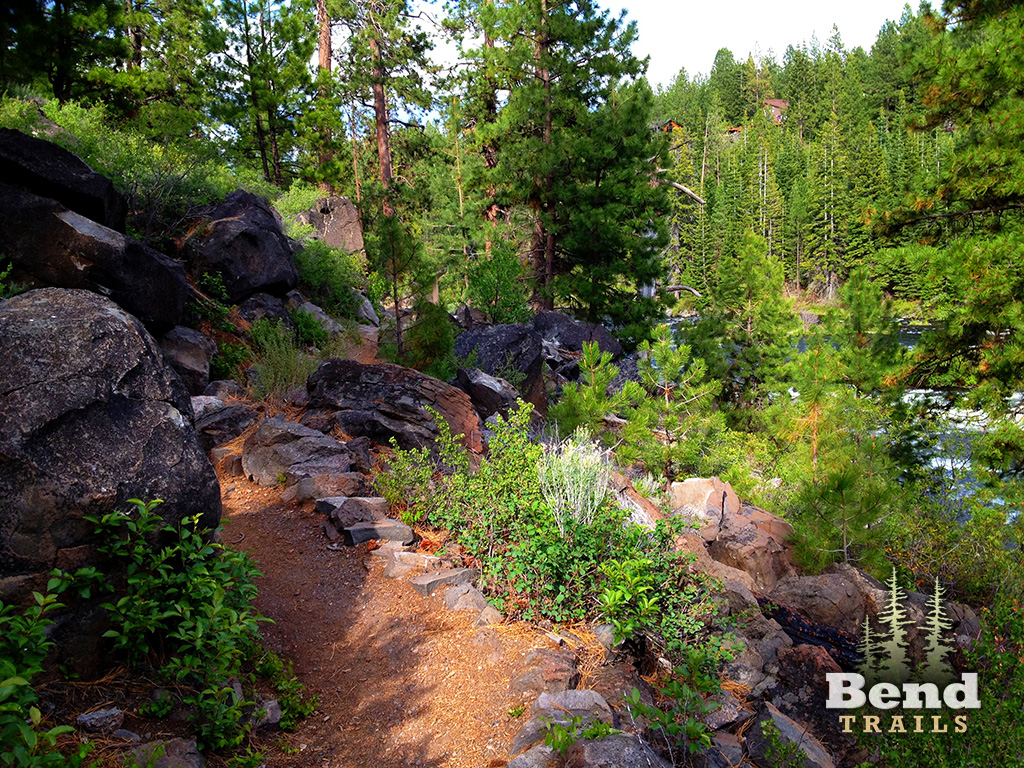
Mt. Bachelor on a powder day. The Deschutes on a hot one. Smith Rock before breakfast. The outside is the point.

Culture
Breweries, art & local flavor
More than thirty breweries, a quietly excellent food scene, and an art district that takes itself just seriously enough.

Community
Festivals, events & connection
A town of a hundred thousand that still feels like it knows you. Summer concerts, winter firepits, and neighbors who show up.
Twelve Ways To Spend A Day Here
The outdoor experiences visitors come to Bend for — hover a card for the how, where, and when.
A Year in Bend
Summer
Long Light
Floating the Old Mill stretch of the Deschutes. Amphitheater shows that end under stars. Mornings before the afternoon climbs.
Autumn
Golden Pines
Larches turning yellow up the Cascade Lakes Highway. Oktoberfest weekends. The first dusting on Bachelor before the lifts spin.

Winter
Blue Sky Powder
Bachelor opens for business. Fireside afternoons. Nordic trails a few minutes from town. Snow, but the sun still shows up.
Spring
Mud & Magnolia
Ski in the morning, ride in the afternoon. Patios reopen. The river comes up. Everyone remembers why they moved here.
What People Ask Before Moving to Bend.
The honest answers we wish we'd had when we relocated here ourselves.
Is Bend, Oregon a good place to live?
For the right person, yes — Bend punches well above its weight. You get a small city of around 110,000 with full-service amenities (St. Charles Health System, an OSU campus, a real downtown), 300+ days of sun a year at 3,623 feet of elevation, and access to Mt. Bachelor, the Deschutes River, and the Three Sisters Wilderness within 30 minutes of your front door. The catch: housing is expensive relative to wages, summers bring smoke from regional wildfires, and the town has grown fast enough that long-time locals will tell you it's not what it was. Bend works well if you value outdoor access, can either work remotely or land a job in healthcare, hospitality, education, or trades, and don't need a major-metro arts and dining scene. It's harder if you need diverse cuisine, public transit, or a low cost of living.
What is the cost of living in Bend, Oregon?
Bend runs roughly 15-25% above the U.S. average, with housing as the main driver. The median single-family home sits in the mid-$700,000s, meaningfully higher than Oregon's statewide median and far above Redmond or La Pine. Groceries, gas, and utilities run a touch higher than the national norm because most goods truck in over the Cascades. Healthcare costs are average for Oregon. State income tax is 8.75-9.9% for most working households, and Oregon has no sales tax. Property tax rates in Deschutes County effectively run about 0.7-1.1% of real market value. The biggest hidden line items for newcomers: heating in winter (older homes are drafty), home insurance (rising due to wildfire risk), and the cost of being outside — gear, lift tickets, and mountain bikes add up fast here.
What are Bend winters really like?
Bend winters are colder, snowier, and longer than most newcomers expect — but milder than the postcards suggest. In town you'll see roughly 30 inches of snow per year, daytime highs in the 30s and 40s from December through February, and overnight lows that regularly dip into the teens. Snow comes and goes; it isn't a constant blanket like Truckee or Park City. Storms drop several inches, sun melts most of it within a few days, then another system rolls through. Your driveway needs shoveling six to twelve times a winter. The big factor is microclimate: 1,500 feet of elevation gain between Reed Market Road and Mt. Bachelor means you can be in T-shirt weather in town and snowshoe weather on the same afternoon. Most locals run all-weather tires and add chains for trips up Cascade Lakes Highway. Snow tires are smart if you commute to the mountain.
Is Bend too crowded now?
Bend is busier than it was, but "too crowded" depends on what you're comparing it to. Population has grown from roughly 76,000 in 2010 to about 110,000 today, and visitor traffic has scaled with it. You'll feel the growth at popular trailheads — Pilot Butte, Tumalo Falls, Phil's Trail — on summer weekends, in summer ER wait times at St. Charles, and in roundabout backups during commute hours. What hasn't changed: by national-park or major-city standards, Bend is still small. You can be on a Cascade Lakes trail by 8 a.m. and see five other cars. Downtown has lines on a Saturday in July and is wide open on a Tuesday in February. Locals adapt by going early, going off-season, or going off-trail. If your reference point is Boulder or Park City, Bend feels manageable. If it's the Bend of 2008, it doesn't.
How is the job market in Bend?
Bend has a real job market, but it's narrower than most metro areas its size. The largest employers are St. Charles Health System (4,500+), Bend-La Pine Schools, the City of Bend, Les Schwab Tire Centers (HQ in Bend), Deschutes Brewery, Mt. Bachelor, and a growing cluster of tech and software firms anchored by companies like G5 and OpenSesame. OSU-Cascades and Central Oregon Community College add academic and research roles. Trades — construction, HVAC, electrical, plumbing — are in chronic demand thanks to housing growth. The catch: wages typically run 10-20% below Portland or Seattle for comparable roles, while housing costs match or exceed Portland. That math is why so many Bend professionals are remote workers earning Bay Area or Seattle salaries. If you're moving here without a remote role, healthcare, education, hospitality, and trades are the most reliable paths.
What neighborhood in Bend is right for me?
The right Bend neighborhood depends on three things: how close you want to be to downtown, whether you prioritize walkability or land, and your budget. Old Bend and the Drake Park area get you walkable to downtown, restaurants, and the river — at the highest price per square foot. Northwest Crossing is the master-planned westside neighborhood that's most popular with relocating families, with sidewalks, parks, and a small commercial core. Awbrey Butte sits just above NWX with bigger lots and Cascade views. The Old Farm District and Mountain View on the southeast side give you more square footage per dollar. Boyd Acres and Bear Creek run mid-priced and family-friendly. Tumalo, Tetherow, and Sunriver each have a different flavor (rural-equestrian, golf-resort, planned-resort). For most relocating buyers we work with, the shortlist is Northwest Crossing, Awbrey Butte, Old Farm District, and Tetherow.
How long does it take to relocate to Bend?
Plan on 60-120 days from "we're seriously considering it" to "keys in hand." A realistic timeline: 2-4 weeks of remote research and a scouting trip; 30-45 days under contract once you find a home (Bend's standard purchase agreement runs about 30-45 days to close); and a moving window of your choice. Movers from California, Washington, or the Northeast typically book 3-6 weeks ahead in summer, less in winter. Out-of-state buyers should expect at least one in-person trip — most lenders close remotely with a notary, but you'll want to walk the home and the neighborhood before committing. Schools matter too: Bend-La Pine's enrollment windows and out-of-area transfer requests follow specific dates. If kids are part of the picture, sync your closing with the school calendar.
Who should I work with to move to Bend?
Work with a local agent who actually lives the lifestyle you're moving here for and has closed enough Bend transactions to know which neighborhoods, builders, and lenders are worth your time. That's the bias-free version. The unfiltered version: this is what we do. We're Tianna and Chance Jackson — a husband-and-wife team at Realty ONE Group Discovery, raising our kids in Bend and writing this guide because we got tired of national real estate sites giving relocating families generic advice that doesn't account for wildfire smoke, well-water rights, snow tires, or which side of town actually fits a family of four. If you're six months out from a move, we'll help you build a plan. If you're 60 days out, we'll get you in the right house. Either way, start with our relocation form and we'll send you a real reply, not a drip campaign.
More Than A Destination
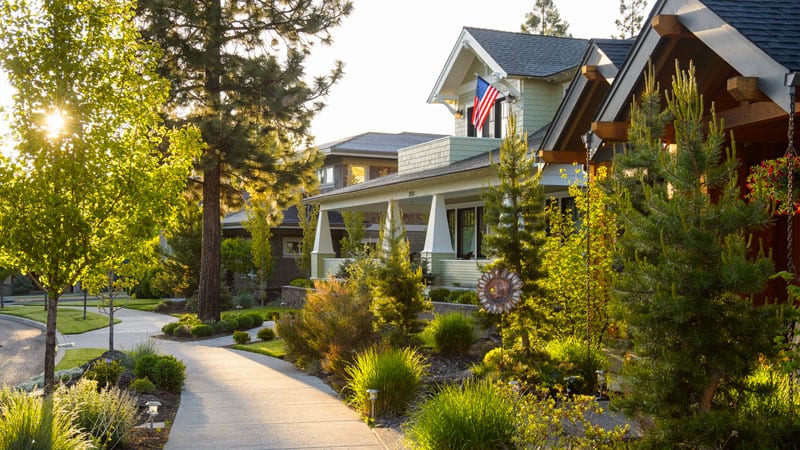
Bend started as a mill town, got rediscovered by skiers and climbers, and then — sometime in the last twenty years — turned into the kind of place other towns quietly study. It kept its main street. It kept its river path. It kept its habit of running into people you know at the grocery store.
What it added was a craft beer scene the whole country now follows, restaurants that would be at home in any city, and a steady stream of people who came for a long weekend and stayed for the rest of it.
This guide is our version of that decision: the honest version of Bend. The trails we love, the neighborhoods we'd send a friend to, and the trade-offs nobody puts on the brochure.

"I came for the mountains. I stayed for the people."
— Unofficial Bend Motto