
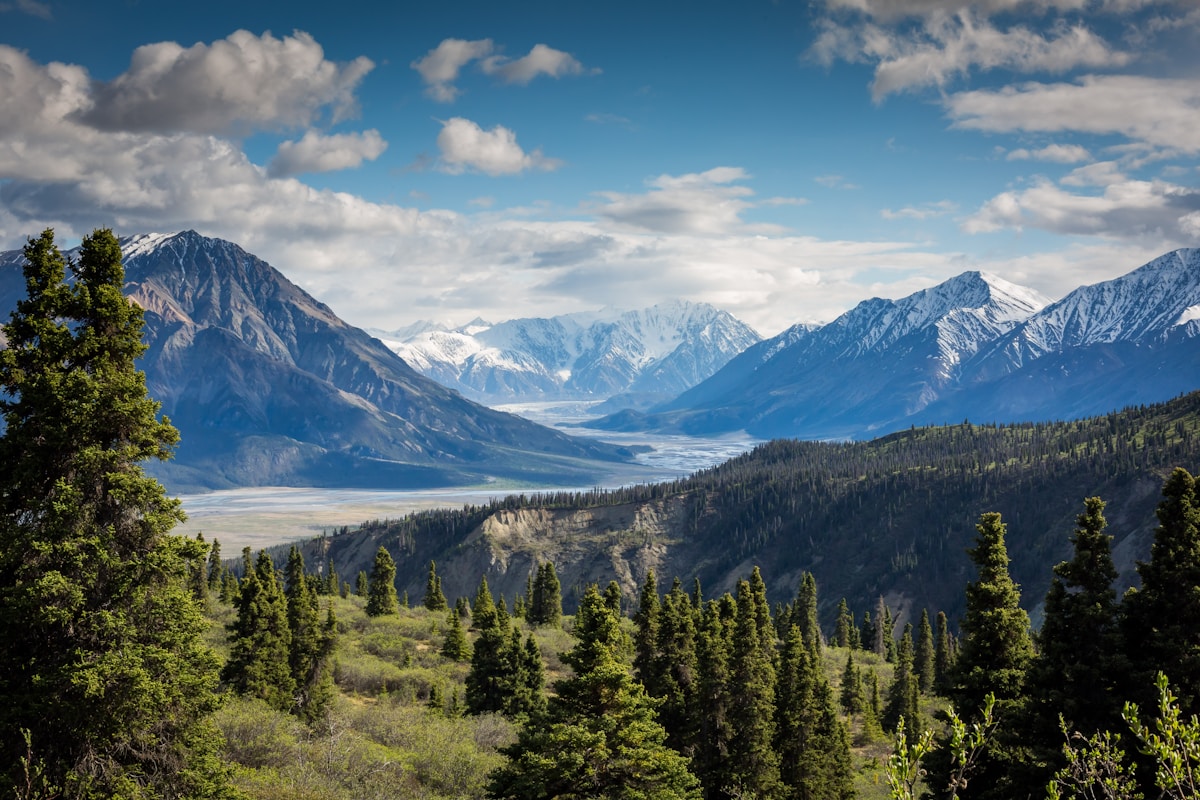
Just 30 minutes north of Bend lies one of Oregon’s most dramatic landscapes. Smith Rock State Park rises from the high desert floor like a cathedral of volcanic tuff and basalt, its rust-colored spires and sheer cliff faces drawing rock climbers, hikers, and photographers from around the globe. For Bend residents, it’s the perfect day trip that never gets old.
Smith Rock is widely considered the birthplace of American sport climbing. In the 1980s, climbers like Alan Watts pioneered routes here that pushed the limits of difficulty, and the park has been a world-class climbing destination ever since. With over 1,800 bolted routes ranging from beginner-friendly 5.6s to barely-possible 5.14ds, there’s something for every climber on these walls.
Hiking the Misery Ridge Trail
You don’t need a harness and rope to experience Smith Rock’s grandeur. The Misery Ridge Trail is the park’s most popular hike, and for good reason. This 3.8-mile loop climbs steeply up the backside of the main rock formation, rewarding you with jaw-dropping views of the Crooked River canyon, Monkey Face (the park’s iconic rock tower), and on clear days, a panorama of Cascade peaks from Mt. Hood to Mt. Bachelor.
The trail earns its name on the ascent — it’s a quad-burning climb with over 700 feet of elevation gain packed into less than a mile. But the views from the top make every step worth it. The descent follows the Mesa Verde Trail along the canyon rim before dropping back down to the river, completing a loop that showcases the park’s best scenery.
Beyond the Main Attraction
For a mellower experience, the River Trail follows the Crooked River along the base of the cliffs. It’s flat, easy, and offers front-row views of climbers scaling the walls above you. Bring binoculars and you can watch them work through crux moves hundreds of feet off the ground. The trail also passes through habitat for river otters, golden eagles, and prairie falcons that nest on the cliff faces.
The park’s northern section, known as the Burma Road area, sees fewer visitors and offers a quieter hiking experience through sagebrush and juniper with views of the less-photographed backside of the rock formations. It’s a great option when the main trails are crowded on summer weekends.
Planning Your Visit
Smith Rock is open year-round, but spring and fall offer the best conditions for both climbing and hiking. Summer temperatures in the canyon regularly exceed 100 degrees, making early morning starts essential. Winter can be surprisingly pleasant on sunny days, though ice may cover sections of trail.
A day-use parking pass is required ($5 or an Oregon State Parks annual pass). The park opens at dawn and closes at dusk. Pack plenty of water — there’s none available in the park — and don’t forget sun protection. The high desert sun is relentless, even on days that feel cool.
From Bend, take Highway 97 north to Terrebonne, then follow the signs. The drive alone is scenic, passing through ranch land with views of the Three Sisters and Broken Top to the west. Many Bend locals make Smith Rock a regular weekend ritual, and once you visit, you’ll understand why.